What Is CAFM? A Complete Guide to Computer-Aided Facility Management
Managing buildings, infrastructure and maintenance operations has become increasingly complex for modern organizations. Companies today often operate across multiple locations, coordinate with various service providers and handle a constant stream of maintenance requests from employees, tenants or partners.
When these processes are managed through emails, spreadsheets or phone calls, it becomes difficult to maintain control and visibility. Requests can easily be overlooked, response times increase and facility managers spend too much time coordinating tasks instead of improving operations.
This is why more organizations are adopting Computer-Aided Facility Management (CAFM) systems. These digital platforms help companies centralize maintenance activities, track facility operations and make better data-driven decisions about their buildings and infrastructure.
By using CAFM software, organizations can improve efficiency, reduce operational costs and create a more structured approach to managing facilities.
What Is Computer-Aided Facility Management (CAFM)?
Computer-Aided Facility Management (CAFM) is software designed to help organizations manage buildings, assets, maintenance activities, and facility services through a centralized digital system.
Instead of relying on manual processes or scattered communication channels, CAFM platforms bring all facility-related data into one place. This allows facility managers to oversee maintenance requests, service activities, building assets, and operational performance from a single environment.
A CAFM system typically serves as a central command center for facility operations, enabling companies to manage infrastructure more efficiently and maintain better control over their buildings and services.
Modern CAFM platforms are often cloud-based, which means organizations can access facility data and operational insights from anywhere, using any device connected to the internet.
Why Companies Are Implementing CAFM Systems
As organizations grow, facility operations become more demanding. Managing multiple buildings, coordinating contractors and responding to maintenance issues requires efficient processes and clear communication.
Without a centralized system, organizations often face several common challenges:
- maintenance requests get lost or delayed
- service processes lack transparency
- communication with contractors becomes fragmented
- facility managers struggle to track ongoing tasks
- operational costs become difficult to analyze
CAFM systems address these challenges by providing a structured platform for managing facility operations.
With the help of facility management software, organizations can automate maintenance workflows, monitor infrastructure performance and ensure that service requests are handled efficiently.
This allows companies to shift from reactive maintenance to proactive facility management, improving both operational efficiency and service quality.
Key Features of Modern CAFM Software
Modern facility management software includes a variety of features designed to support daily operations as well as long-term facility planning.
Maintenance Request Management
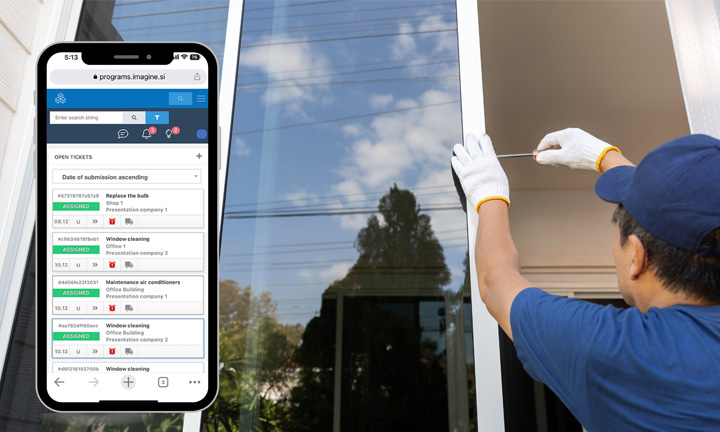
A central feature of any CAFM platform is the ability to manage maintenance requests. Employees or tenants can submit requests through the system, where they are automatically recorded, assigned and tracked until resolution.
This structured workflow ensures that no request is overlooked and that facility managers have full visibility into ongoing tasks.
Preventive Maintenance Planning
Preventive maintenance is essential for reducing equipment failures and extending the life of building assets.
CAFM systems allow organizations to schedule maintenance activities in advance, ensuring that inspections and servicing are performed regularly. This proactive approach helps prevent costly disruptions.
This structured workflow ensures that no request is overlooked and that facility managers have full visibility into ongoing tasks.
Asset and Infrastructure Management
Buildings contain a wide range of assets, including equipment, systems and infrastructure components. CAFM software helps organizations track these assets, monitor their condition and maintain a record of maintenance history.
This information allows facility teams to plan repairs, replacements and upgrades more effectively.
Task Coordination and Contractor Management
Facility operations often involve collaboration with multiple external service providers. CAFM platforms make it easier to assign tasks, coordinate contractors, and track the progress of service activities.
This improves accountability and ensures that maintenance work is completed on time.
Reporting and Operational Analytics
Modern CAFM systems provide dashboards and reporting tools that give organizations insight into facility performance.
These tools allow facility managers to analyze response times, maintenance activities and operational costs. With this information, organizations can identify inefficiencies and improve facility management strategies.
CAFM vs CMMS: Understanding the Difference
Many organizations confuse CAFM software with CMMS (Computerized Maintenance Management Systems). While both solutions support maintenance management, they differ in scope.
A CMMS platform focuses primarily on maintenance operations such as work order management, preventive maintenance scheduling, and spare parts tracking.
A CAFM system, on the other hand, offers a broader approach. In addition to maintenance management, CAFM platforms typically include asset management, contractor coordination, reporting, and facility operations management.
In simple terms, CMMS focuses mainly on maintenance, while CAFM provides a comprehensive facility management solution.
Benefits of Implementing a CAFM System
Organizations implementing CAFM platforms often experience measurable improvements across several operational areas.
Increased Efficiency
By automating routine processes such as maintenance request handling and task assignment, CAFM systems reduce administrative workload and improve operational efficiency.
Improved Transparency
Centralized facility data provides organizations with full visibility into maintenance activities, service requests and infrastructure performance.
Faster Response Times
Structured workflows allow teams to respond to issues faster and ensure that maintenance tasks are handled efficiently.
Better Cost Control
With access to detailed facility data, organizations can monitor maintenance costs, evaluate contractor performance and optimize operational budgets.
How iFacility Supports Digital Facility Management
iFacility is a modern web-based platform designed to support Computer-Aided Facility Management (CAFM)processes within organizations.
The system provides a centralized environment where companies can manage maintenance requests, coordinate operational tasks and monitor facility activities.
Users can submit service requests through the platform, while facility managers can track progress, assign responsibilities and ensure that tasks are completed efficiently. Each request receives a unique identification number, allowing organizations to maintain full traceability from submission to resolution.
iFacility also supports maintenance planning, operational monitoring and data analysis, helping organizations gain better insight into their facility operations.
Because the platform is web-based, it can be accessed from any device with an internet connection, making it particularly useful for companies that manage multiple locations or distributed teams.
The Future of Facility Management
iFacility management is undergoing rapid digital transformation. As organizations continue to modernize their infrastructure and workplace operations, digital tools are becoming essential for maintaining efficiency and transparency.
Computer-Aided Facility Management systems play a key role in this transformation by enabling organizations to centralize facility data, automate operational workflows and gain real-time insight into infrastructure performance.
Solutions such as iFacility help organizations move toward a more digital, efficient and data-driven approach to managing buildings and infrastructure.
Frequently Asked Questions About CAFM
Who benefits from CAFM systems?
CAFM software benefits multiple stakeholders within an organization, including facility managers, property managers, maintenance teams, employees and senior management.
Can small companies use CAFM software?
Yes. Many modern CAFM platforms are cloud-based, making them accessible to organizations of all sizes without the need for complex IT infrastructure.
Is CAFM software secure?
Most professional CAFM solutions include strong security measures such as encrypted data storage, access controls and regular system updates.
How long does it take to implement a CAFM system?
Implementation time depends on the complexity of the organization and the number of facilities involved. However, many organizations start seeing operational improvements within the first year of using a CAFM platform.